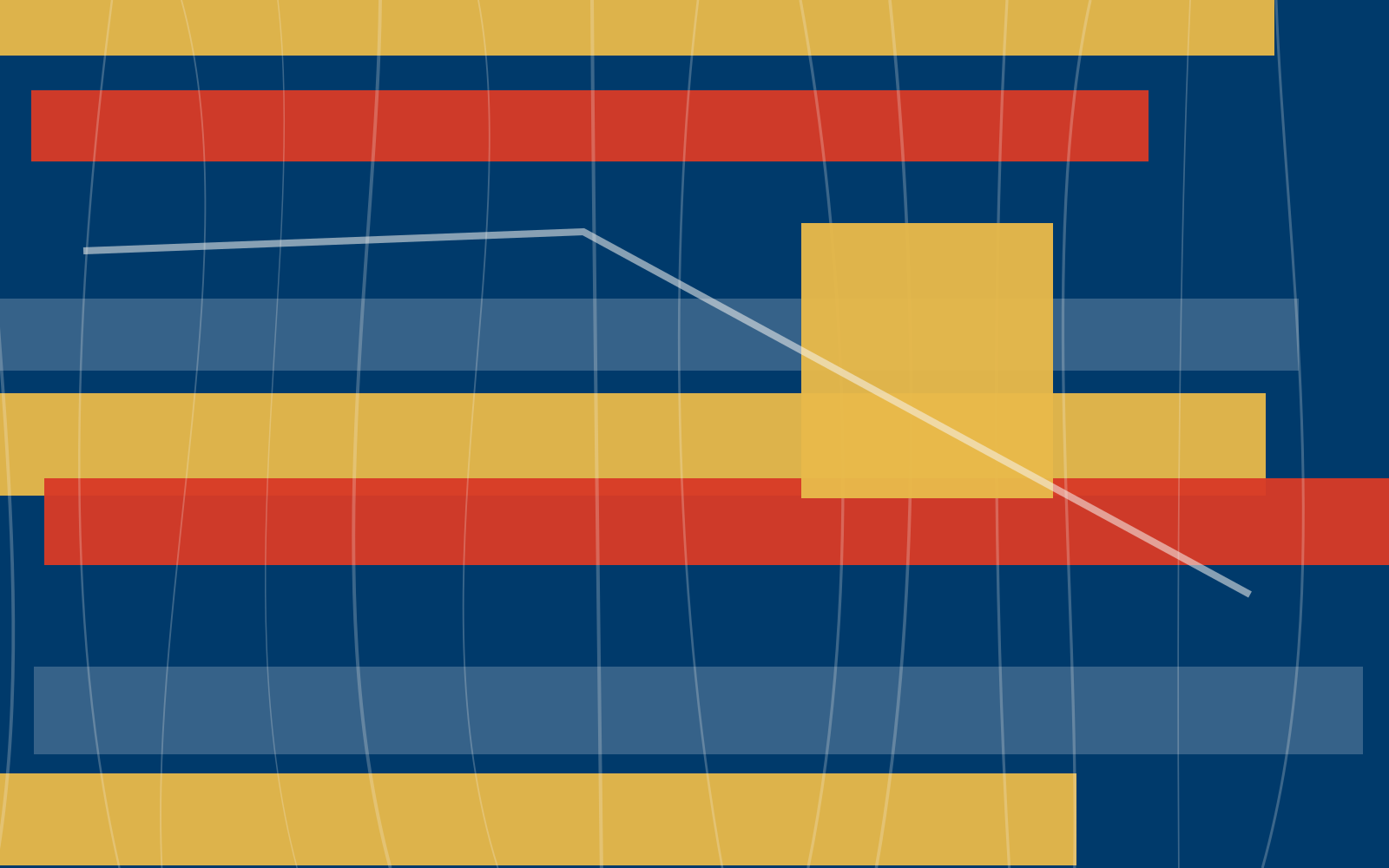
I wanted this site to feel recognisably mine before anyone reached the biography. The first direction came from something I had loved since childhood: E. H. Shepard’s illustrations in the original Winnie-the-Pooh books, where a few economical marks could carry the posture, emotion and complete bear-ness of Pooh.
The books also belonged to the romance of expeditions, maps and notes kept along the way. A personal blog is a life journal of sorts, so a field-journal design was an apt way to join the form of the site to a part of my own history. I wanted the illustrations to inhabit the page around them, as Shepard’s did, rather than arrive as rectangular assets from somewhere else.
Then people looked at it and asked, “Oh, Claude designed that, right?” Cream paper, ink drawings and journal typography had become such a recognisable AI default that a personal choice looked as though nobody had chosen it at all. An agent had helped me build the site and I was hardly coy about that. The problem was that its visual signature spoke more loudly than mine.
I spent several rounds trying to preserve what mattered in the idea while removing that signature. Cooler paper, different inks and new typefaces changed the ingredients without changing the meal, while the illustrations wandered further from Shepard and the layout remained a tasteful generated journal. One version was sickly yellow; another was still recognisably the same thing, only slightly more orange.
The next serious direction came from Penguin and Pelican paperbacks. I grew up reading those too, and their importance has never been merely graphic for me. They made serious writing broadly affordable and gave good work an ordinary place in people’s homes.
As a website, it failed for the same reason: the model rendered Penguin through almost the same old-publication grammar of pale stock, editorial type and a careful accent colour. A later excursion through natural-history books confirmed that meaningful references were still being translated into nearby points in the same visual world.
By then the category error was visible: every reference we had used belonged to publishing. To get beyond it, I went to Scandinavian architecture and graphic design. I chose Stockholm Design Lab for the typographic structure, the saturation I associated with Aalto and Marimekko, and a photographic colour-block grid for the page. Hard edges, generous white space and large sans-serif type finally replaced the journal instead of redecorating it.
Several weeks after choosing the direction, I began to understand why those references had been so readily available. I grew up in Rotterdam, in a centre bombed flat in 1940 and rebuilt among modern architecture, public art and strong colour. My mother took me to museums and artworks everywhere. She made looking ordinary, not a performance reserved for people who already knew the names. Naum Gabo’s steel construction stood beside De Bijenkorf; Karel Appel and CoBrA supplied colour that behaved more like appetite than decoration. Even some of the toys I grew up with used those bold shapes and colours.
I did not consciously choose Stockholm because of Rotterdam. The visual education came first and the explanation later. Once I could name the connection, I made the house style more exact: Stockholm’s grid and typographic discipline holding the freer colour and movement I associated with Rotterdam and CoBrA. Claude helped turn those decisions into a system and execute it across the site. I set the references, judged the work and kept pushing until the implementation carried them.
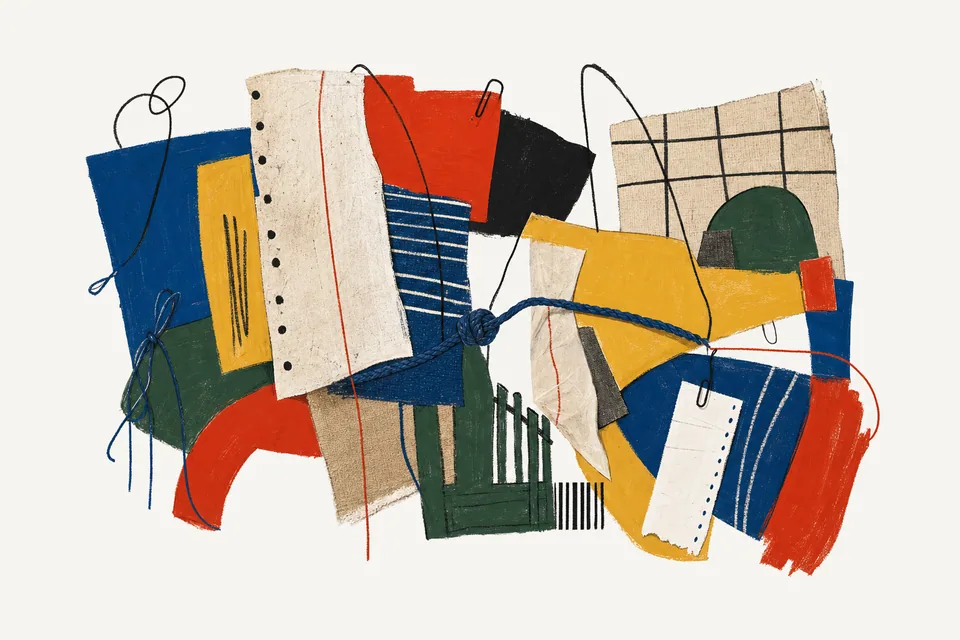
One preference from the field journal survived every redesign: article images should feel made for the page around them, with neither borders nor important objects cut off at the asset edge. The current images preserve Shepard’s intimacy between image and text without borrowing the old paper around it.
The front page now opens on a large word over a saturated colour field. Stockholm supplies the grid; Rotterdam and CoBrA the colour and movement. Shepard survives in the intimacy between image and page, Penguin in the conviction that ideas deserve form as well as circulation. The site has become a place where those parts of my history can live together.